E-MAX veneers and ceramic restorations in Izmir
E-MAX is a dental ceramic system. Its lithium-disilicate materials can be used for certain veneers, crowns and other restorations according to the product and clinical indication. A veneer covers mainly the front of a tooth; a crown covers more of it. These are different designs and should not be treated as interchangeable names for every ceramic restoration.
When might a veneer be considered?
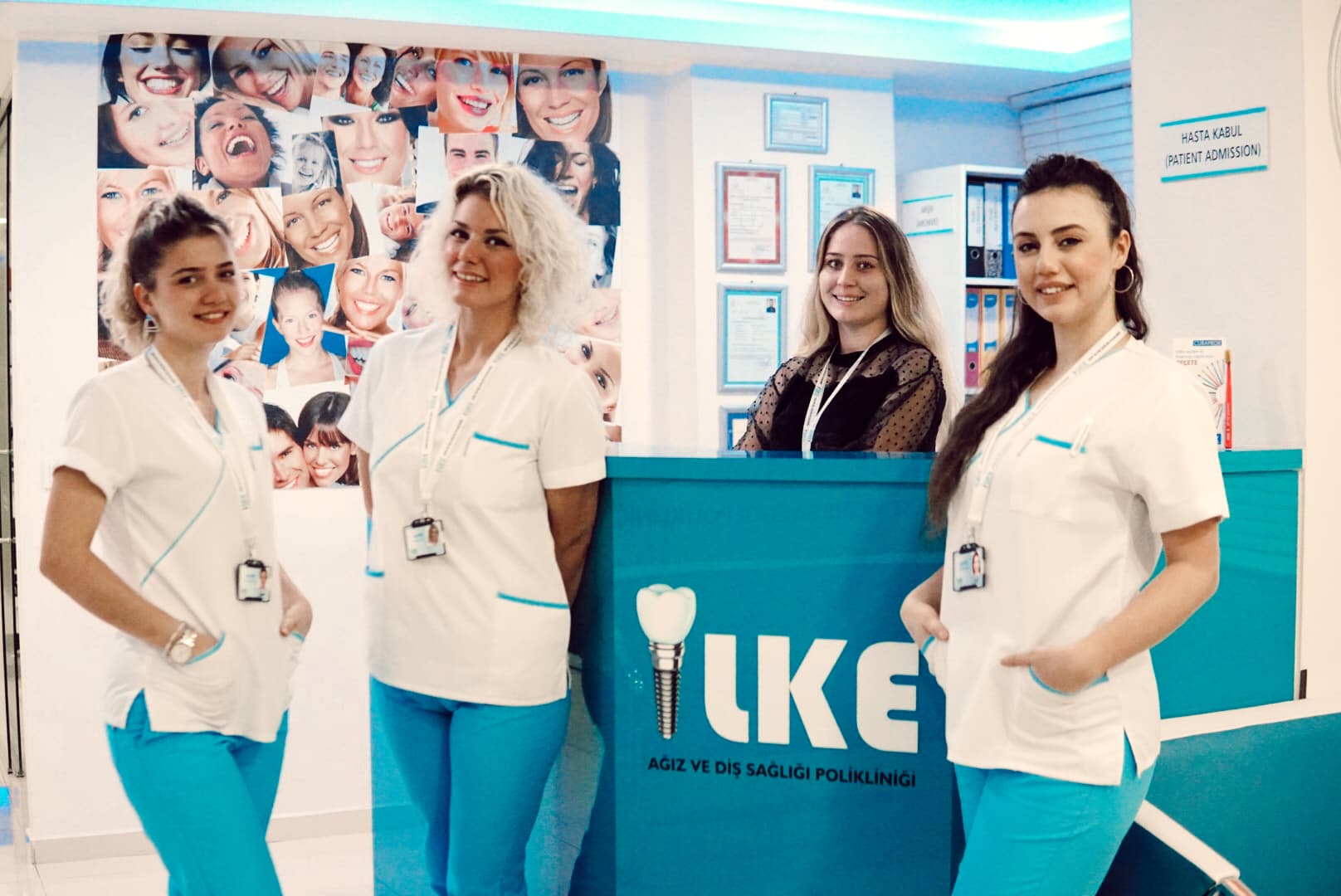
A veneer may be considered for selected problems with tooth shape, colour, small chips or spaces. At Ilke Oral and Dental Health Clinic in Üçyol, Karabağlar, assessment includes your teeth, gums, bite, existing restorations and any clenching or grinding. Decay and gum disease need attention before cosmetic restorations are planned.
The dentist should discuss whether whitening, composite bonding, orthodontic treatment, a different restoration or no cosmetic treatment is more appropriate. A material name alone does not determine suitability, and a veneer should not be used to mask a condition that needs other treatment.
Preparation, design and fitting
Planning may include photographs, impressions or a digital scan. The amount of tooth preparation depends on the starting shape and the restoration design. If enamel is removed, that change cannot be reversed. A no-preparation approach is not suitable for every tooth.
After the restoration is made, the dentist checks fit, colour, contacts and the bite before bonding or cementation as appropriate. The number of appointments and the need for temporary restorations vary. Ask to review the expected changes and limitations before final fitting.
E-MAX or zirconia?
Lithium disilicate and zirconia have different properties and indications. The choice depends on the tooth, required strength, thickness, colour, bonding conditions and restoration design. Neither is universally more aesthetic, cheaper or longer lasting for every patient. A veneer is also different from a bridge: any bridge design must meet the indications of the specific material and system.
Risks and care
Ceramic restorations may chip, crack, loosen or need replacement. Sensitivity and gum irritation can occur; the absence of metal does not guarantee that gums cannot become inflamed. Oral hygiene, fit, bite forces and individual factors affect the result. A fixed lifespan or a perfect colour match cannot be promised.
Brush with fluoride toothpaste and clean between teeth every day. Avoid using teeth to open objects or biting very hard items. Tell the dentist about grinding so that protective measures can be considered. Contact the clinic if the restoration feels loose, the bite is uncomfortable or symptoms persist.
Frequently asked questions
Is tooth preparation always minimal?
The amount depends on the tooth and whether a veneer, crown or another restoration is planned. Discuss the irreversible removal of enamel and alternatives before treatment.
Will an E-MAX restoration last 10–15 years?
There is no guaranteed service life for an individual restoration. It may need repair or replacement because of wear, fracture, debonding, decay or changes in the gums and bite.
Can every missing tooth be replaced with an E-MAX bridge?
No. Bridge suitability depends on the specific material, span, position and supporting teeth or implants. Veneers cover existing teeth and do not themselves replace missing teeth.
Are there alternatives to ceramic veneers?
Depending on the problem, options may include composite bonding, whitening or other dental treatment. An examination is needed to compare them.
How can I arrange an assessment?
Use the online appointment form or call +90 232 255 51 55 for Ilke Oral and Dental Health Clinic in Izmir.
Patient information sources
Read American Dental Association: veneers and Canadian Dental Association: bonding and veneers.